


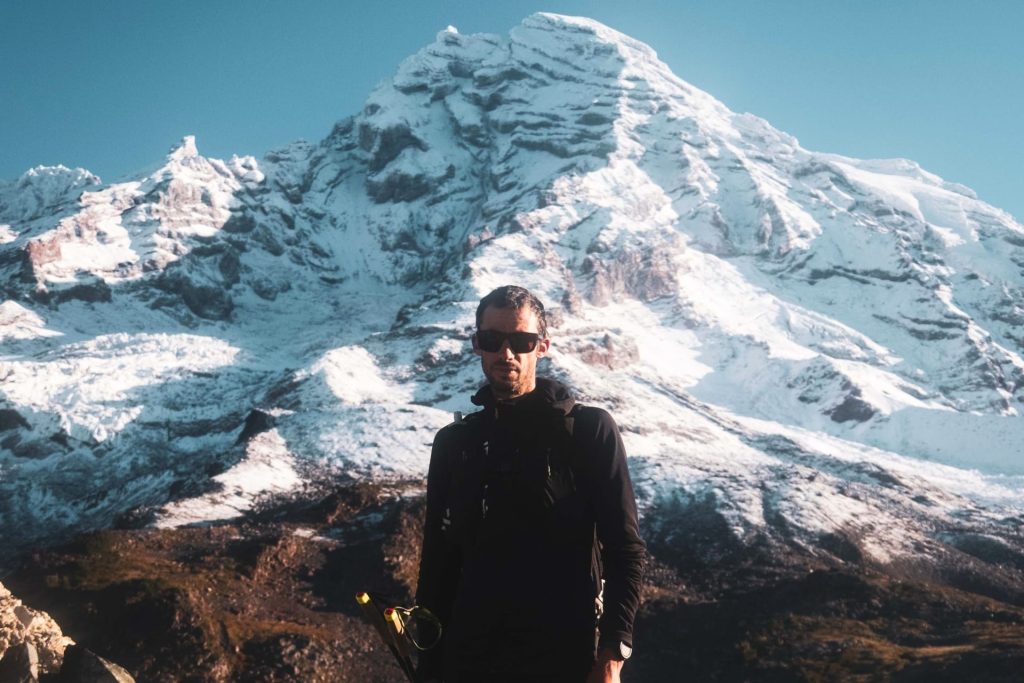
In just one month, Kilian Jornet wrote a new chapter in the history of ultra-endurance. The Catalan athlete completed States of Elevation, an unprecedented journey that took him to the 72 peaks over 14,000 feet in the continental United States—the famous fourteeners. Using only his feet and a bike, he connected the peaks over more than 5,145 kilometers, covered 123,045 meters of elevation gain, and opened up an unprecedented line of exploration, particularly in terms of continuous effort. Let’s take a look back at the major chapters of this American odyssey.
More than just a sporting challenge, States of Elevation was a way for Jornet to push himself even further than the long-duration, high-intensity efforts he put in during his Pyrenean adventure and, even more so, during his 82 4000s project in the Alps. This time, Jornet linked dozens of peaks and crossed endless landscapes using only the strength of his legs. The scale of the project is beyond comprehension: the equivalent of several Tours de France and dozens of marathons, all at high altitude.
Read also
©Nick Danielson/State of Elevation
From Colorado to the forests of Washington
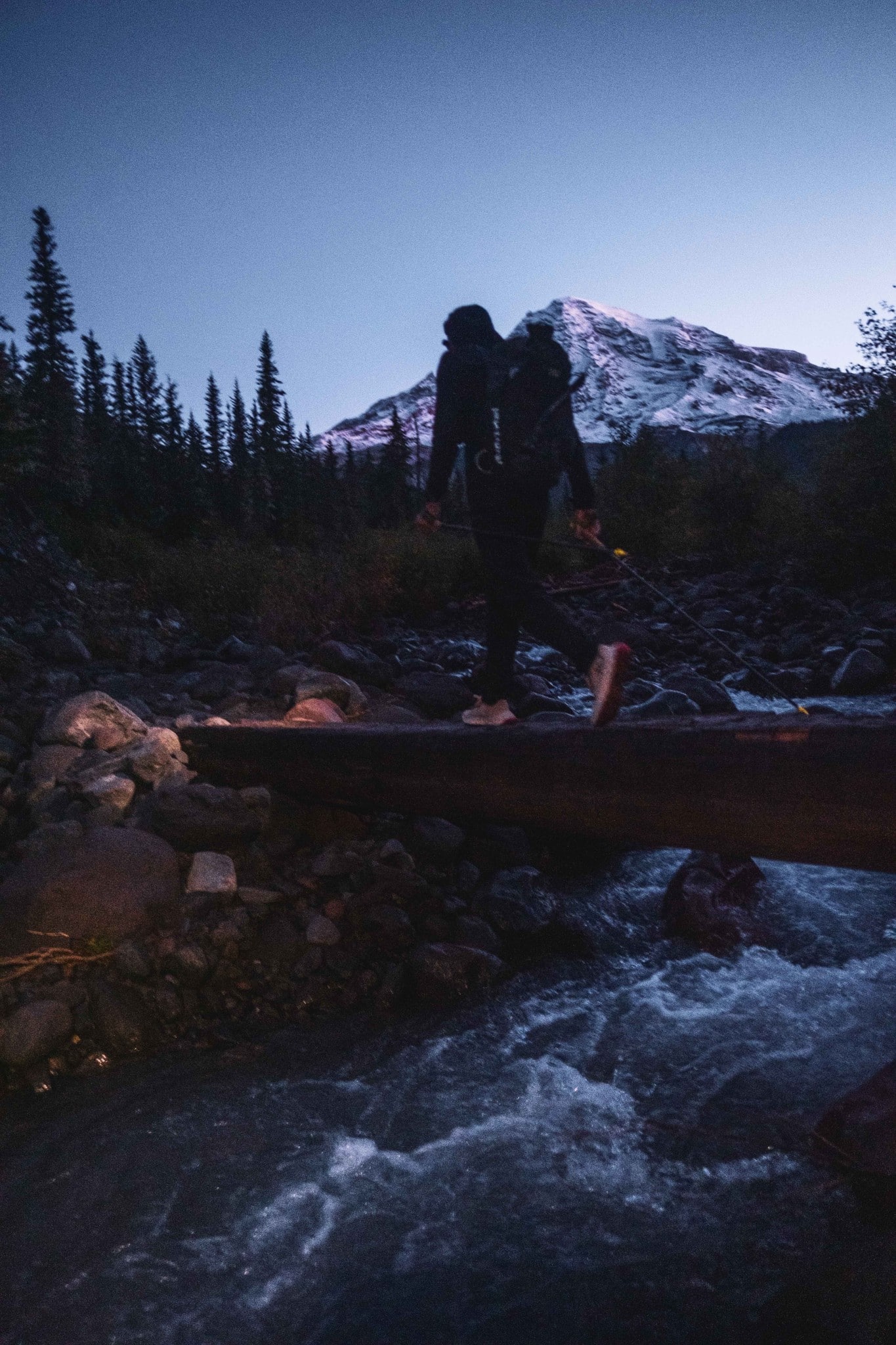
The route was mapped out from south to northwest: departure on September 3, 2025, from the slopes of Longs Peak in the heart of Colorado, arriving a month later at the summit of Mount Rainier in Washington State.
In between, a spectacular diagonal route: the Rockies, the deserts of California, the peaks of the Sierra Nevada, the forests of Oregon… and 72 legendary summits, one after the other. Kilian Jornet explains: “At first, it was just an idea on a map. I didn’t even know if it was possible,“ says Jornet. Today, beyond the numbers, it was a total adventure, a way to discover places that have become very dear to me.”
At first, it was just an idea
on a map
Colorado: the density of peaks
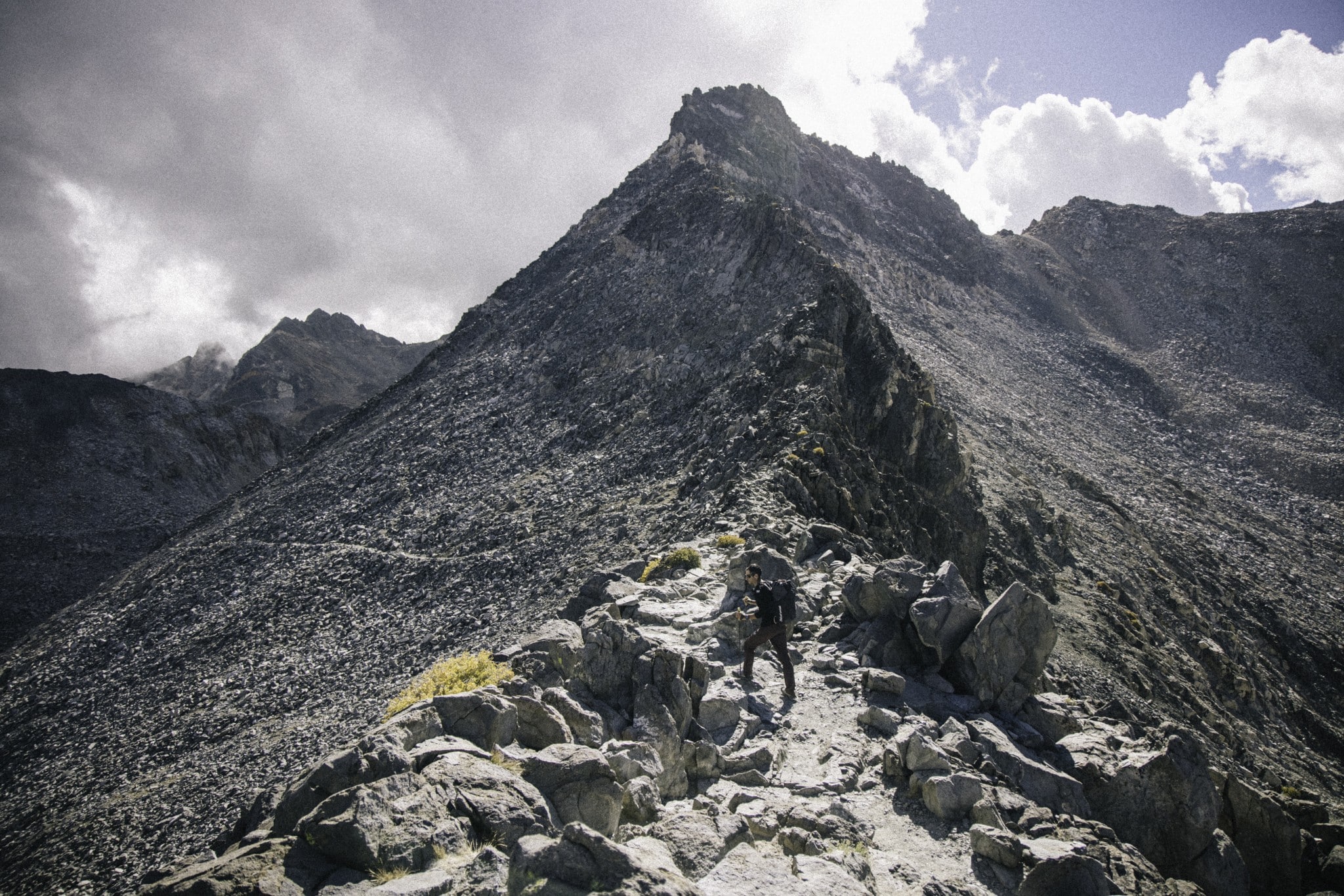
Jornet first tackled Colorado’s 56 public peaks, a concentration of altitude and technical difficulty. But also iconic traverses such as the LA Freeway, Elks, and Nolan’s 14, as well as peaks well known in the US such as Mount Elbert and Pikes Peak… Conditions often dictated the pace: violent storms, strong winds, changeable weather.
Some of these sequences take even the best ultra-trail runners several days to complete. Jornet spent an average of more than 16 hours a day on the move. Statistics enthusiasts will love the Strava data from this adventure, which is setting the counters spinning (see end of article).
©Andy Cochrane/State of Elevation
©Nick Danielson/State of Elevation
California: desert, granite, and isolation
Heading due west for the next leg of the adventure, and more than 1,400 kilometers of pedaling later: California. A radical change of scenery. Desert approaches to the White Mountains, technical ridges of the Sierra Nevada, total isolation all the way to Mount Shasta. There, fresh snow and stormy winds put his nerves to the test.
One of the highlights was the crossing of Norman’s 13 in the Sierra Nevada, which became his favorite section of the project. On day 23, despite his fatigue, Jornet set a new supported FKT—a speed record with assistance—awaiting certification.
Despite tiredness,
Jornet sets a new
supported FKT
Grand finale: Mount Rainier
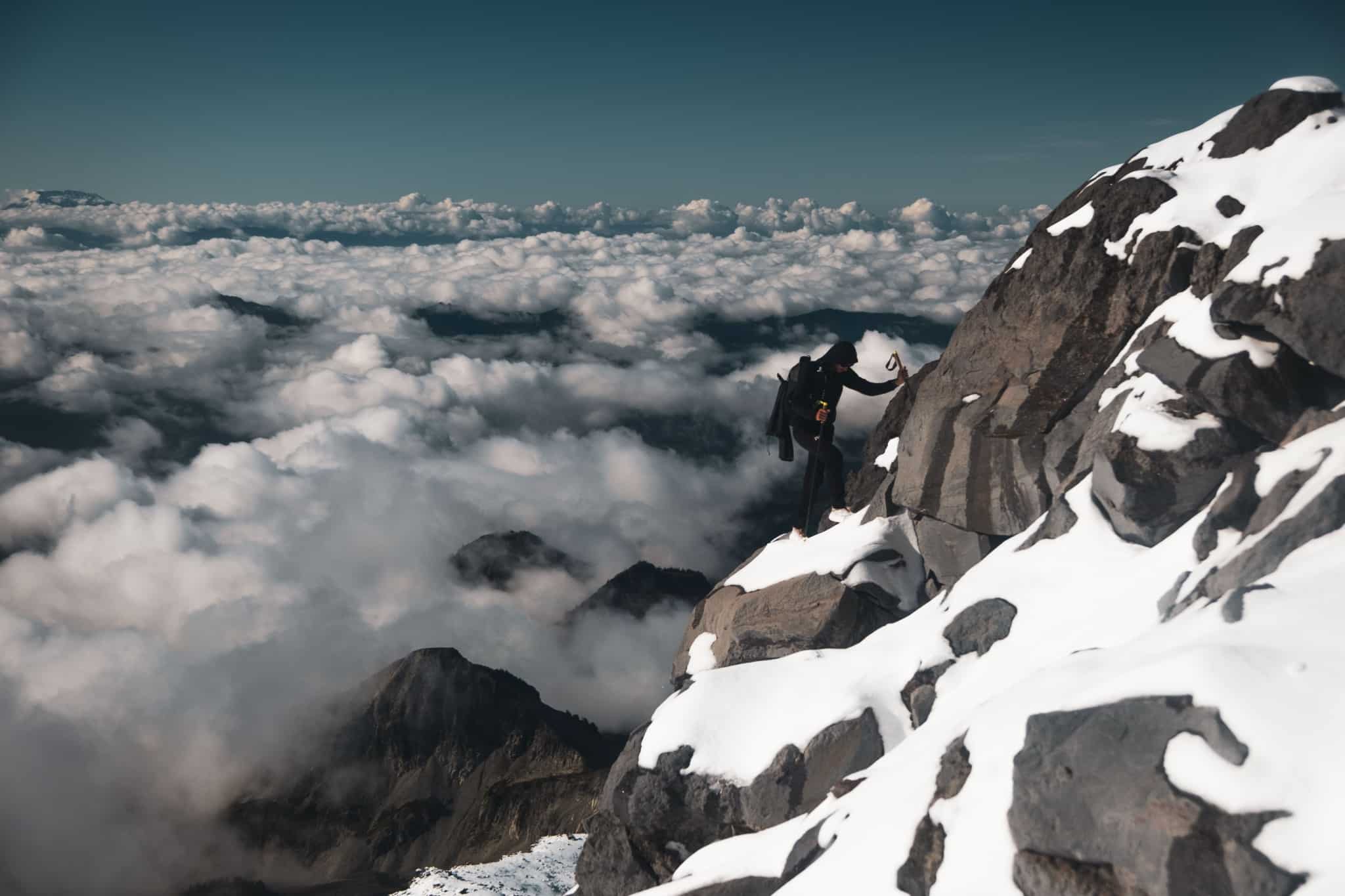
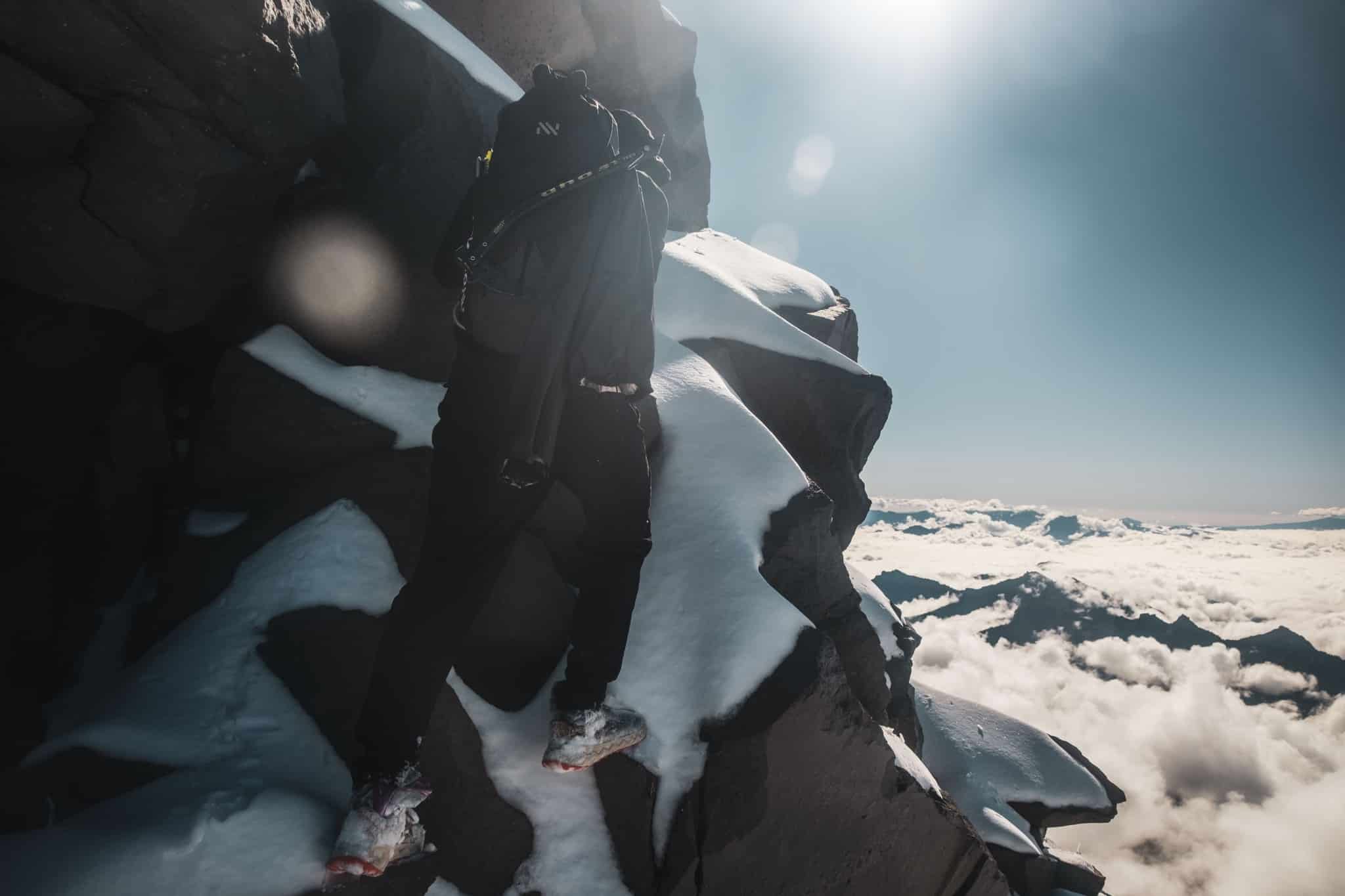
The final act in the Northwest and on the Pacific Coast: the ascent of Mount Rainier. One of the most technical sections of the entire project, made even more uncertain by the fresh snow that had fallen in the previous days. Jornet managed to reach the summit and descend safely.
Over pizza, he confided, “I was amazed by the wilderness, the wildlife, the changing landscapes. I enjoyed pushing forward on my own, but also sharing moments with friends who came to show me their mountain.”
©Nick Danielson/State of Elevation
A collective adventure
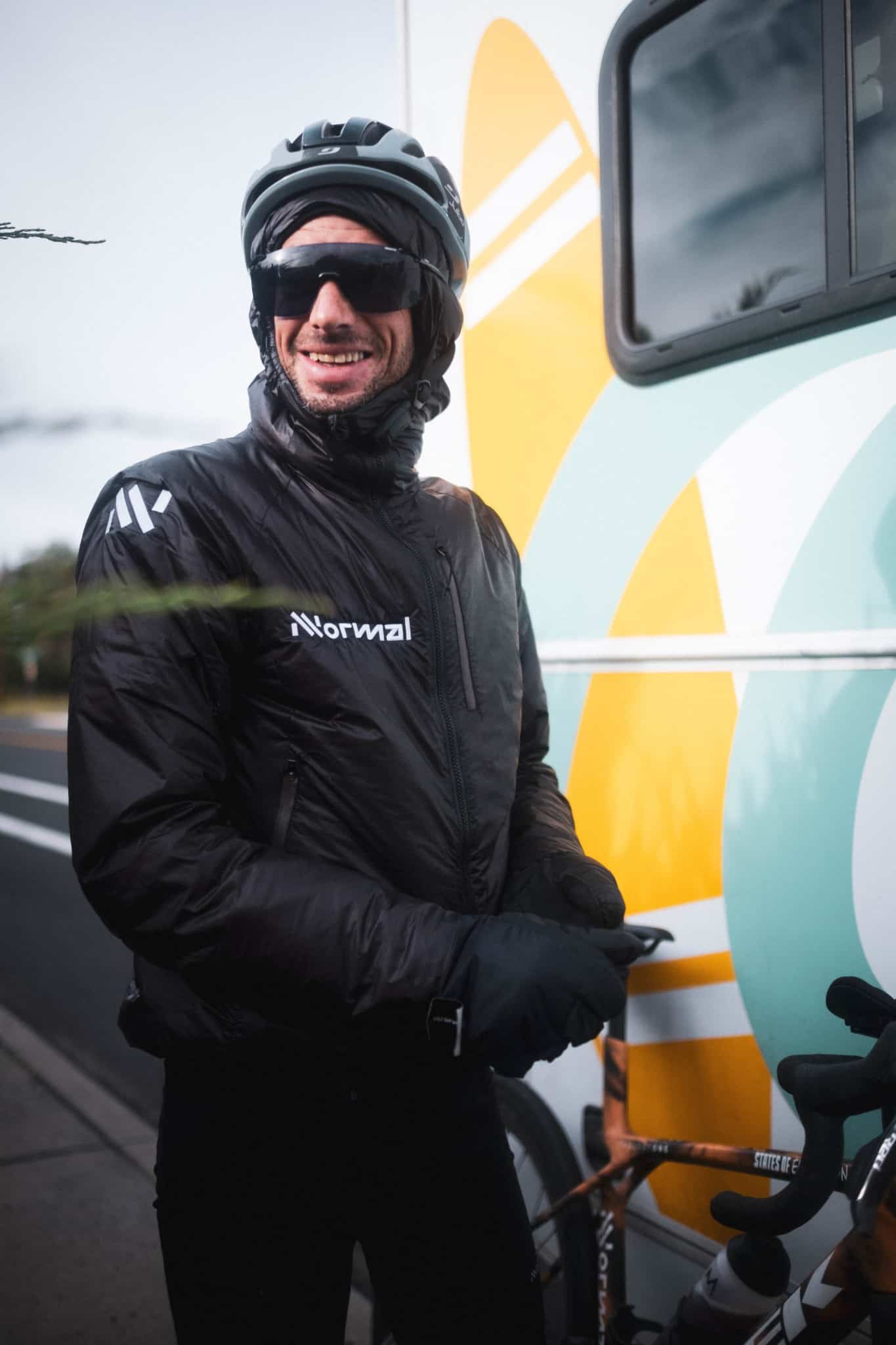
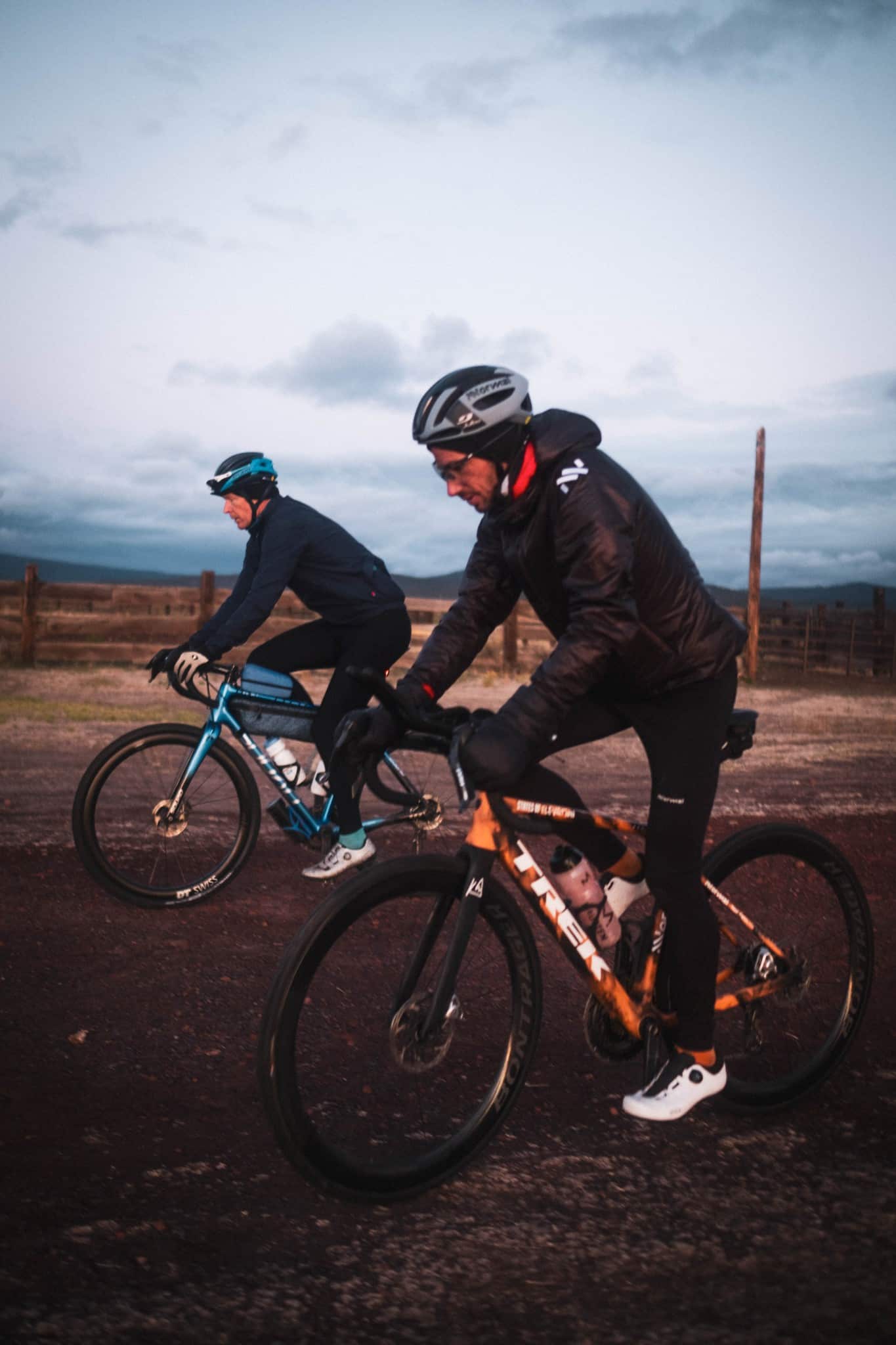
Although most of the 5,145 kilometers were covered by bike (4,133 km, or 80%), nearly 60% of the total time was spent on foot, at a rate of 15 hours of movement per day. The odyssey was punctuated by moments of camaraderie, when local athletes came to share a part of the journey, transforming a solitary adventure into a collective experience.
The Kilian Jornet Foundation took advantage of States of Elevation to sow other seeds: four “Running Minds” events, two days of trail restoration, and more than 500 people mobilized for the preservation of public lands.
©Nick Danielson/State of Elevation
The statistics are impressive: 5,145 kilometers covered, including 4,133 by bike and 1,011 on foot, 123,045 meters of elevation gain, 72 peaks above 4,267 meters, and 488 hours and 52 minutes of movement over 31 days. But beyond the numbers, Jornet emphasizes the landscapes, the wilderness, the variety of climates, and the depth of human experiences that defined the adventure.
States of Elevation was neither a race nor a record to beat. It was a line drawn between mountains, a journey through landscapes and local cultures, a total immersion in places and conditions that few humans experience at this pace and on this scale.
As Kilian sets foot on Rainier and contemplates the immensity of the Pacific Northwest, he knows that each summit has left its mark: a memory, an effort, a thrill. States of Elevation is not just a sporting feat: it is a human and geographical odyssey, a lesson in the limits of the body and the beauty of the world.
Final statistics
Total distance: 3,175 miles (3,133 miles by bike, 631 miles on foot)
Number of “fourteeners” (+14,000 feets): 72
Elevation gain: 403,691 feet
Time in motion: 488 hours 52 minutes
Duration: 31 days
©Nick Danielson/State of Elevation